
An interview with Troy Williams, Owner of Williams Realty Partners, sits down with co-owner, Heidi Hayes, breaking down the strategy behind a landmark conservation and legacy-focused sale.
Introductory Comments
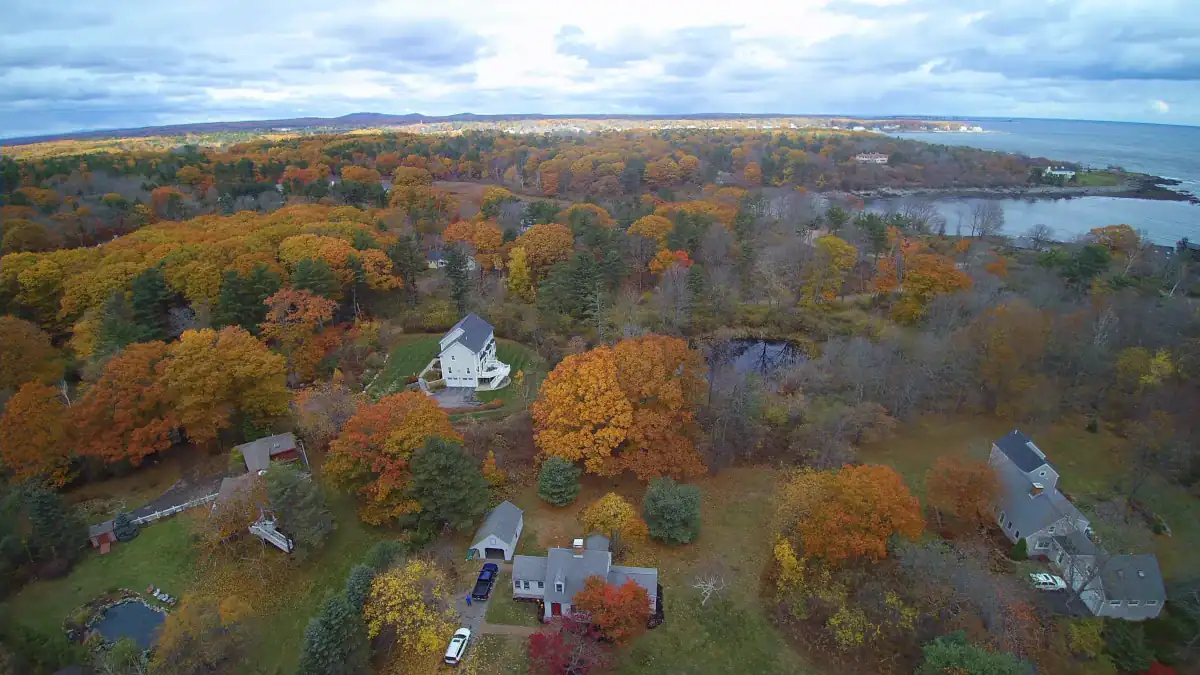
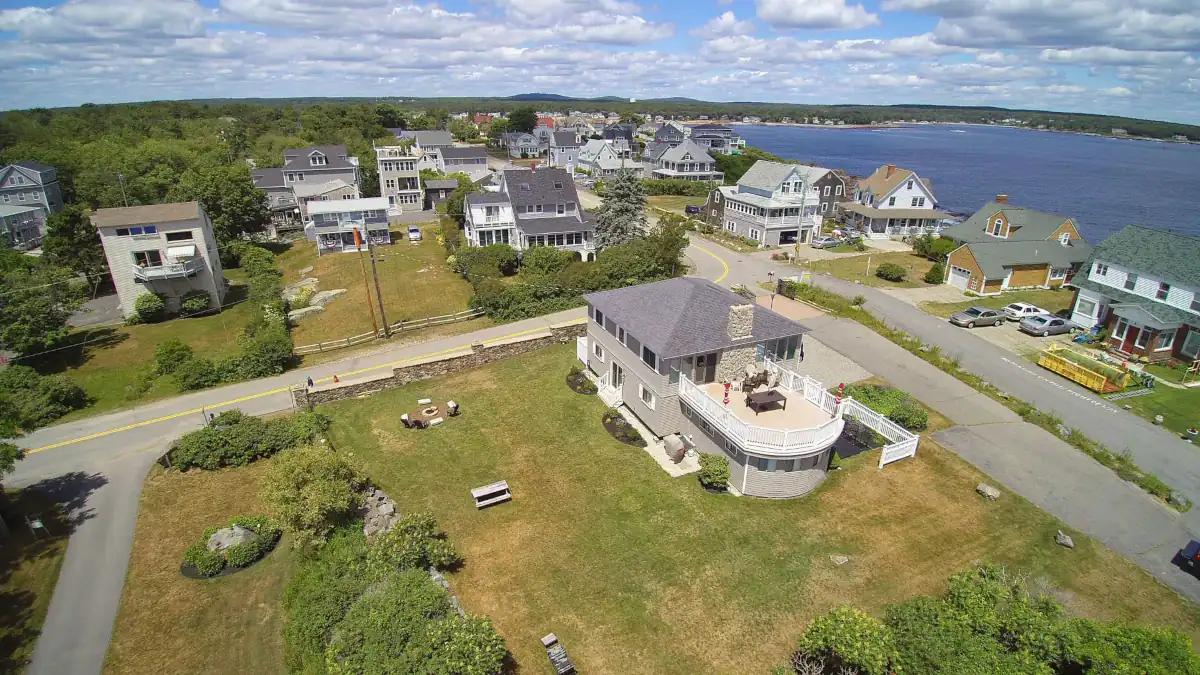
For more than a century, 44 Pocahontas Road in Kittery Point, Maine remained one of the region’s most significant privately owned coastal properties on Gerrish Island. When the longtime owner decided it was time to plan for the property’s future, he hired Troy Williams, Owner of Williams Realty Partners, as his listing agent to guide the land through a complex, multi-year planning and sales process.
Working directly with the property owner and the Kittery Land Trust, Troy led the full advisory, planning, and sales strategy, evaluating conservation easements, long-term preservation options, and the tax and legacy benefits of each path. That process ultimately resulted in a record-breaking $5.5 million sale of the property, the largest monetary donation the Kittery Land Trust has ever received, and the permanent preservation of 17 acres of protected land.
.jpg)
A Conversation With Troy Williams
Heidi: Troy, for anyone hearing about this for the first time, can you give a quick intro to the story behind 44 Pocahontas Road?
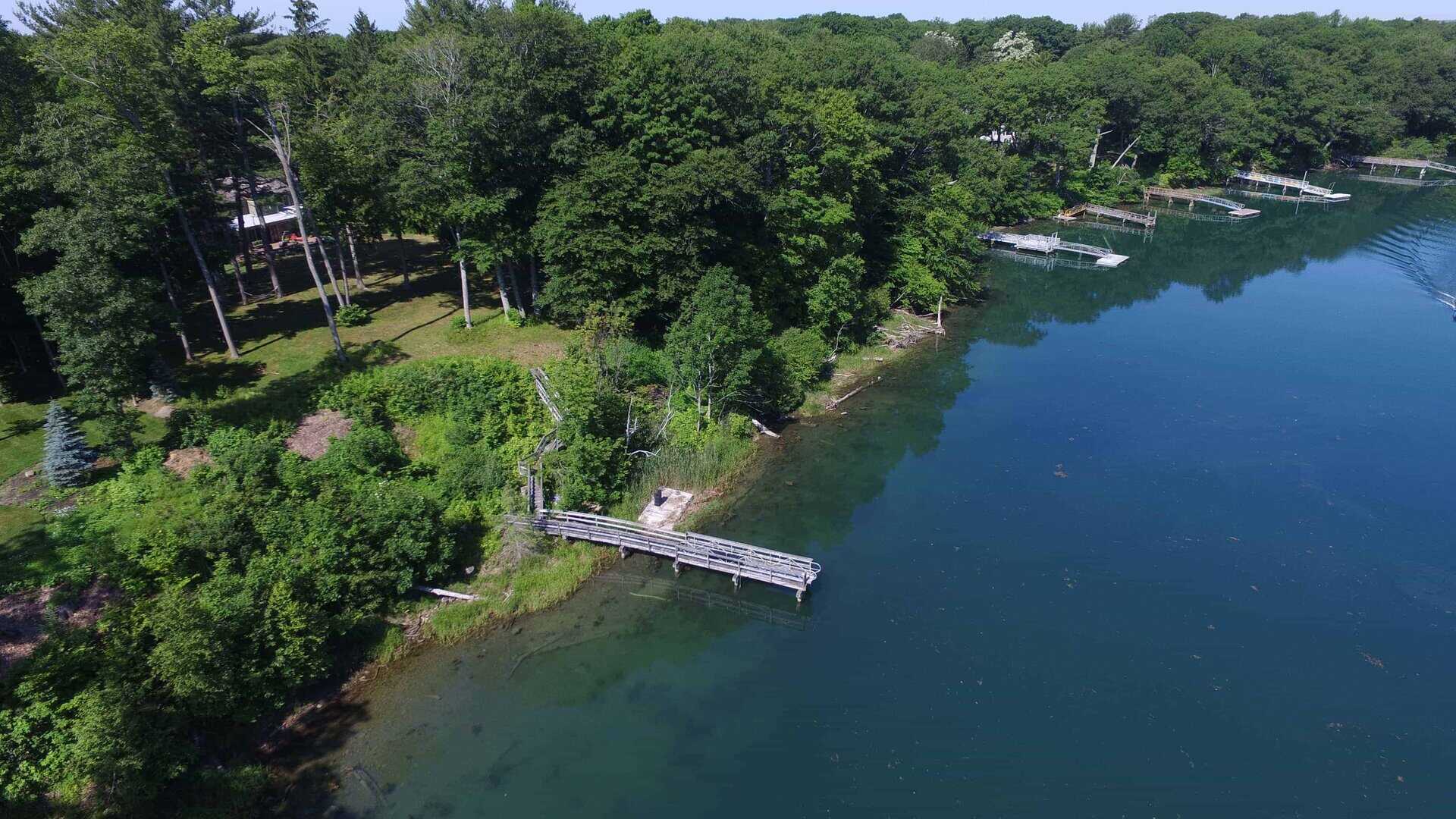
Troy: We represented the sellers of 44 Pocahontas Road on Garrish Island, a property that had been in the same family for over 100 years. The full process took more than three years and involved a multi-step strategy: working with the family on a plan, partnering with the Kittery Land Trust to preserve 17 acres under a conservation easement, and then being hired by the Land Trust to market and sell the remaining portion. The final sale closed for a record $5.5 million.
Heidi: Was there a moment during this project that really stayed with you?
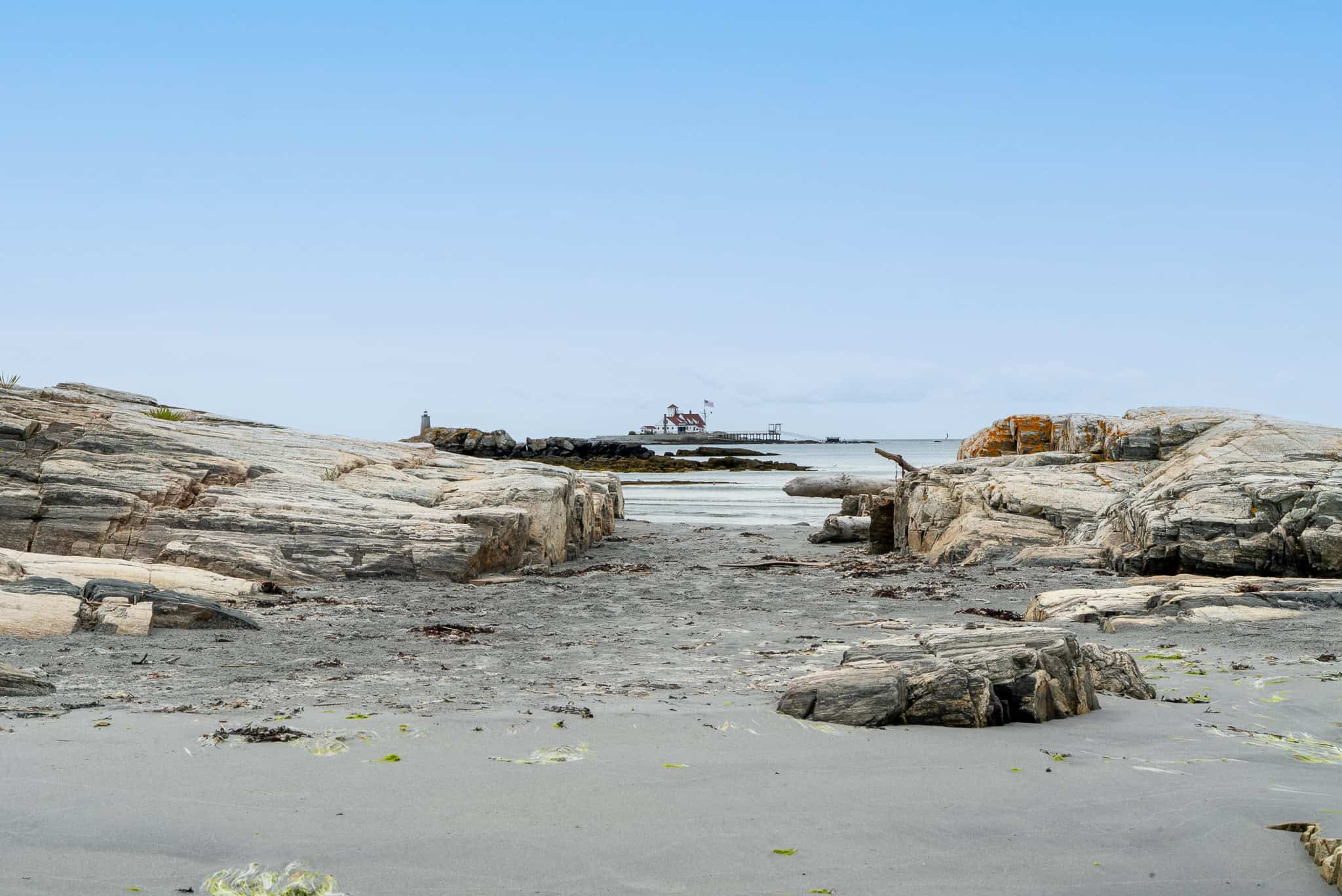
Troy: The private beach. Every time I visited, I was reminded of how special the place is. The size, the natural beauty, the history. And to see the family choose preservation, then see a buyer who valued that as a special aspect of the sale, and then see the Land Trust empowered to protect even more land, it was truly a win-win-win.
Heidi: If someone owns land with a lot of significance to them, how do you help them preserve their legacy while still moving forward?
Troy: It really comes down to talking with them and understanding what matters most. “Legacy” looks different for everyone. We look at the meaning of the land, what they hope to accomplish, and how the property can be used in a way that aligns with those values.
Heidi: More people are looking at real estate as a way to give back. Why do you think that is?
Troy: Real estate has become scarce and extremely valuable. People are starting to realize their land can do more than create financial return. It can support conservation, community needs, agriculture, working waterfronts, and countless other causes. It’s a powerful way to make a meaningful impact.
Heidi: For someone new to the idea, how can donating property actually help the owner, as well?
Troy: Unlike donating cash, donating appreciated real estate lets you avoid capital gains taxes and use the full market value as a tax deduction. In the case of 44 Pocahontas, the family had owned the land for more than a century, so the appreciation was significant. Donating the property allowed their impact to go much further (of course, always consult a CPA).
Heidi: What exactly is a conservation easement, and how does it differ from donating land outright?
Troy: A conservation easement is essentially donating or selling the development rights while keeping ownership of the property itself. You can continue to use the land within the terms of the easement, but it can’t be developed. Donating the property outright, on the other hand, transfers full ownership to the receiving organization.
Heidi: What do people often misunderstand about easements or donating land?
Troy: People think it only applies to land trusts or that they must donate everything. In reality, land trusts can buy property, easements can be donated or sold, and you can preserve as much or as little of the development rights as you want. There are far more options than people realize.
Heidi: Are there sellers or property types that usually aren’t a fit for the strategy of donating to a land trust?
Troy: Urban commercial properties, strip malls, for example, aren’t always ideal unless the owner is donating purely for tax purposes. The strongest fits tend to be properties with natural beauty, open space, historical relevance, or land that aligns with a specific community need.
Heidi: Are there organizations besides land trusts that accept property donations?
Troy: Absolutely. Any nonprofit can accept real estate. Some will keep it, like nature programs, scouts, or education-based organizations. Others will sell it and put the funds toward their mission. Everything from affordable housing to youth programs to conservation groups can benefit from real estate donations.
Heidi: What are some of the different ways donated property can be used?
Troy: It goes far beyond conservation. Donated property can support farming co-ops, preserve working waterfront access, help historical societies, provide office space for nonprofits, or even support affordable housing. Pretty much any cause you care about has a real estate need.
Heidi: When someone isn’t sure whether to donate, use an easement, or pursue a traditional sale, how do you help them decide?
Troy: Talk therapy. Lots of it. These conversations unfold over months or years, exploring every option, weighing pros and cons, and discussing the owner’s goals. Our job is to help them understand how each option plays out so they can feel confident in the decision they make.
Heidi: If someone is curious about donating land to a nonprofit, what are the first steps?
Troy: Call us. We walk through the owner’s goals, what matters to them, and the options available. Then we bring in a tax professional, identify a qualified appraiser with expertise in the property type, and work with an attorney to ensure the process is done correctly. It’s orchestrated carefully from start to finish.
Heidi: So when someone asks, “What does your team actually do?” or “why should we call you first?” What's your answer?
Troy: We solve problems. Real estate is the vehicle, but problem-solving is the job. From multi-year planning efforts to complicated tax or conservation strategies, our clients come to us because we get things done and we make the process seamless, even when it’s messy behind the scenes.
Closing Thoughts
At Williams Realty Partners, we don’t just list property, we represent property owners as strategic advisors and fiduciaries throughout complex real estate sales, conservation decisions, and legacy planning. We guide sellers through every available option, explain the implications of each path, and help shape outcomes that honor both their personal legacy and the future of the land. We also draw on a trusted network of specialized advisors, including CPAs, attorneys, appraisers, and conservation experts, to ensure every property owner has the right professional guidance at every step.